How to Ensure Your Fence Fulfills Local Laws with Assistance from Contractors
Introduction
Fencing is more than simply a border; it's a statement of security, style, and personal privacy. However, before you jump into the amazing world of fencing, it's essential to ensure that your brand-new setup complies with regional policies. Whether you're thinking about a smooth picket fence or a sturdy timber barrier, comprehending the legal landscape can be intimidating. That's where the proficiency of fence contractors can be found in. In this thorough guide, we will explore how to ensure your fence satisfies regional regulations with help from specialists, equipping you with all the understanding you need to make informed decisions.
Understanding Local Regulations for Fencing
What Are Regional Fencing Regulations?
Local fencing regulations are guidelines and guidelines set by municipal authorities relating to the building and construction and placement of fences. They differ commonly based on place and can determine everything from height constraints to materials used.
Why Are Local Fencing Regulations Important?
These guidelines are important for numerous reasons:
- Safety: Guaranteeing that fences do not block exposure at intersections.
- Aesthetics: Preserving a consistent look within neighborhoods.
- Property Rights: Avoiding disagreements between neighbors concerning residential or commercial property lines.
Common Kinds of Fencing Regulations
- Height Restrictions
- Material Specifications
- Setback Requirements
- Design Guidelines
How to Ensure Your Fence Satisfies Regional Regulations with Help from Contractors
When embarking on your fencing job, partnering with experienced fence contractors is important. Here's how they can assist:
1. Knowledge of Regional Laws
Most seasoned fencing contractors, particularly those familiar with particular areas like Melbourne, have an intimate understanding of regional laws governing fencing.
2. Site Assessment
Before starting any job, these experts will assess your site to ensure that your prepared fence is compliant with all regulations.
3. Allowing Process
Many areas require authorizations for fence setups. Your specialist will direct you through getting the needed authorizations and paperwork.
4. Product Choice Guidance
Different materials may be subject to different regulations; your professional will assist you choose compliant products while still meeting your visual desires.
Choosing the Right Fence Contractor
What Needs to You Look For in a Fence Contractor?
When picking a contractor, think about:
- Experience in local projects.
- Positive client reviews.
- A portfolio showcasing their work.
Questions to Ask Possible Contractors
- How long have you remained in business?
- Do you have experience with my kind of fencing?
- Can you offer references?
- What guarantees do you offer?
Types of Fences That Meet Local Regulations
Wooden Fences
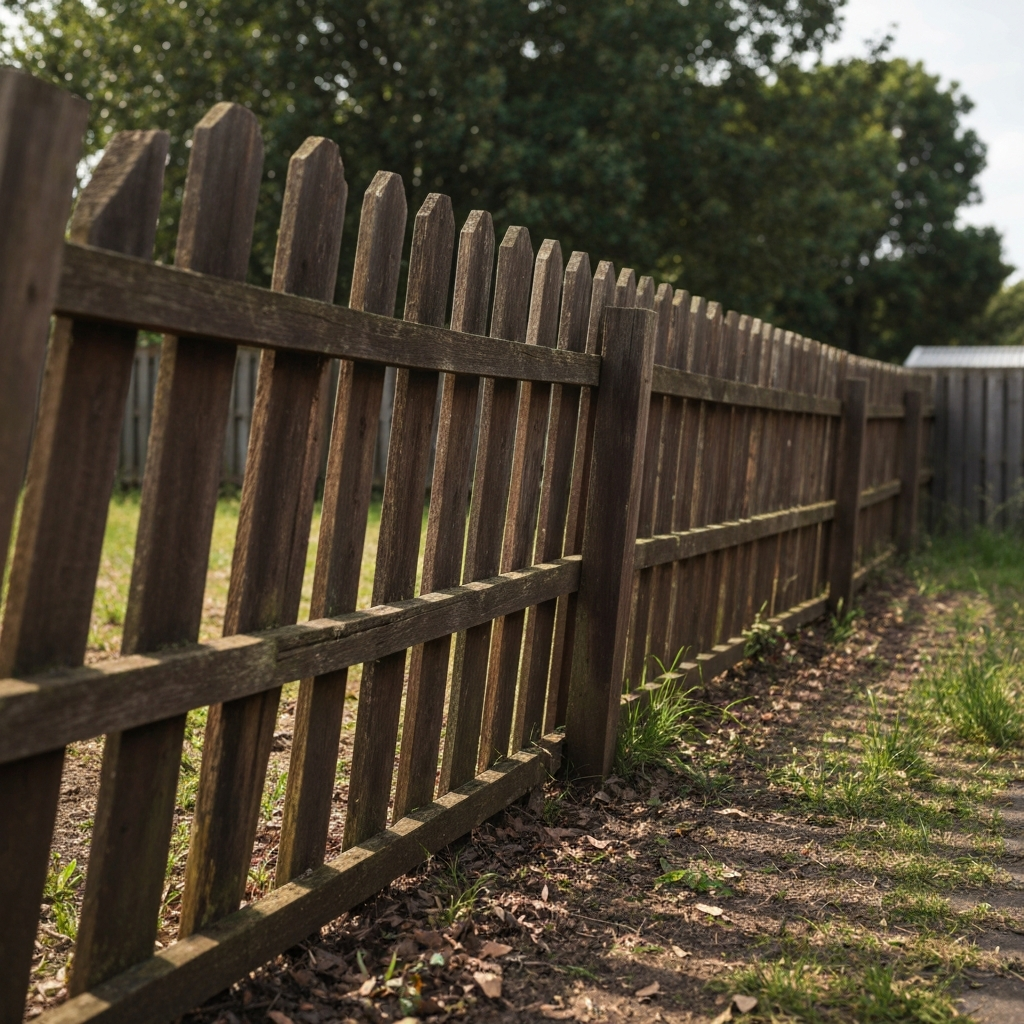
Wooden fences are popular due to their traditional appeal however check if there are material constraints in your area.
Pros:
- Versatile design options.
- Natural aesthetic appeal.
Cons:
- Requires upkeep over time.
Vinyl Fences
Vinyl offers durability and low maintenance however may have particular height constraints in some locales.
Pros:
- Long-lasting.
- Variety of colors and styles.
Cons:
- Higher initial expense compared to wood.
Chain-Link Fences
These fences are frequently favored for security functions but might not satisfy aesthetic standards in domestic neighborhoods.
Pros:
- Cost-effective.
Cons:
- Less visually enticing than other options.
The Significance of License Acquisition
What Is a Fence Permit?
A fence authorization is main approval from regional authorities permitting you to construct or customize a fence on your property.
Why Do You Need a Permit?
Permits guarantee compliance with zoning laws and avoid possible disputes with next-door neighbors or regional authorities down the line.
Understanding Setback Requirements
Setback requirements determine how far back from home lines structures-- consisting of fences-- should be built.
How Do Obstacles Vary?
Setbacks can vary based on:
- Residential vs Industrial Zones
- Type of Roadway Adjacent
- Height of the Fence
Working With Your Neighbors: The Collaborative Approach
Building a fence isn't practically your residential or commercial property; it's about keeping good relationships with next-door neighbors too!
Why Interact With Neighbors?
Not only does this avoid conflicts, but it also cultivates goodwill within the neighborhood-- after all, no one wants an angry neighbor!
The Role of Surveyors in Fence Installation
Having accurate home lines is vital for any fencing project.
What Can Surveyors Provide?
Surveyors can confirm residential or commercial property limits and help avoid future disagreements that occur from incorrectly put fences.
Finalizing Your Design Strategies Before Installation
Once you have actually navigated through approvals and permits, it's time to finalize your style plans!
Key Factors to consider:
- Aesthetic Appeal
- Functional Requirements (e.g., personal privacy vs presence)
- Compliance with regional laws
Installation Process: What To Expect From Your Contractor
Your specialist will manage every element of setup-- from digging post holes to protecting panels-- making it seamless for you!
Typical Actions Include:
- Site Preparation
- Material Gathering
- Installation Day Execution
Post-Installation Assessments and Compliance Checks
After setup, some locations require inspections by regional authorities to make sure compliance with formerly provided permits.
Maintenance Tips After Installation
Keeping your fence looking excellent involves regular upkeep! Here's what you'll require:
- Routine Cleaning
- Periodic Inspections
- Timely Repairs
FAQs About Fencing Laws and Contractors
1) Do I constantly require a license for my fence?
Yes, most areas require authorizations unless specified otherwise by regional laws.2) Can I build a high fence around my yard?
Height constraints apply depending on region; consult your contractor for guidance.3) What if my next-door neighbor disagrees with my prepared fence?
Discussing plans freely can typically cause friendly solutions.4) Are there any particular products I should avoid?
Particular materials might be forbidden; consult with experienced professionals knowledgeable about Melbourne's regulations.5) How do I pick between wood and vinyl?
Consider factors like budget plan, desired aesthetic appeals, and upkeep choices Colrbond fence cost components when making this decision.6) Can I install the fence myself instead?
While DIY is possible, hiring specialists makes sure compliance and reduces potential headaches down the road! 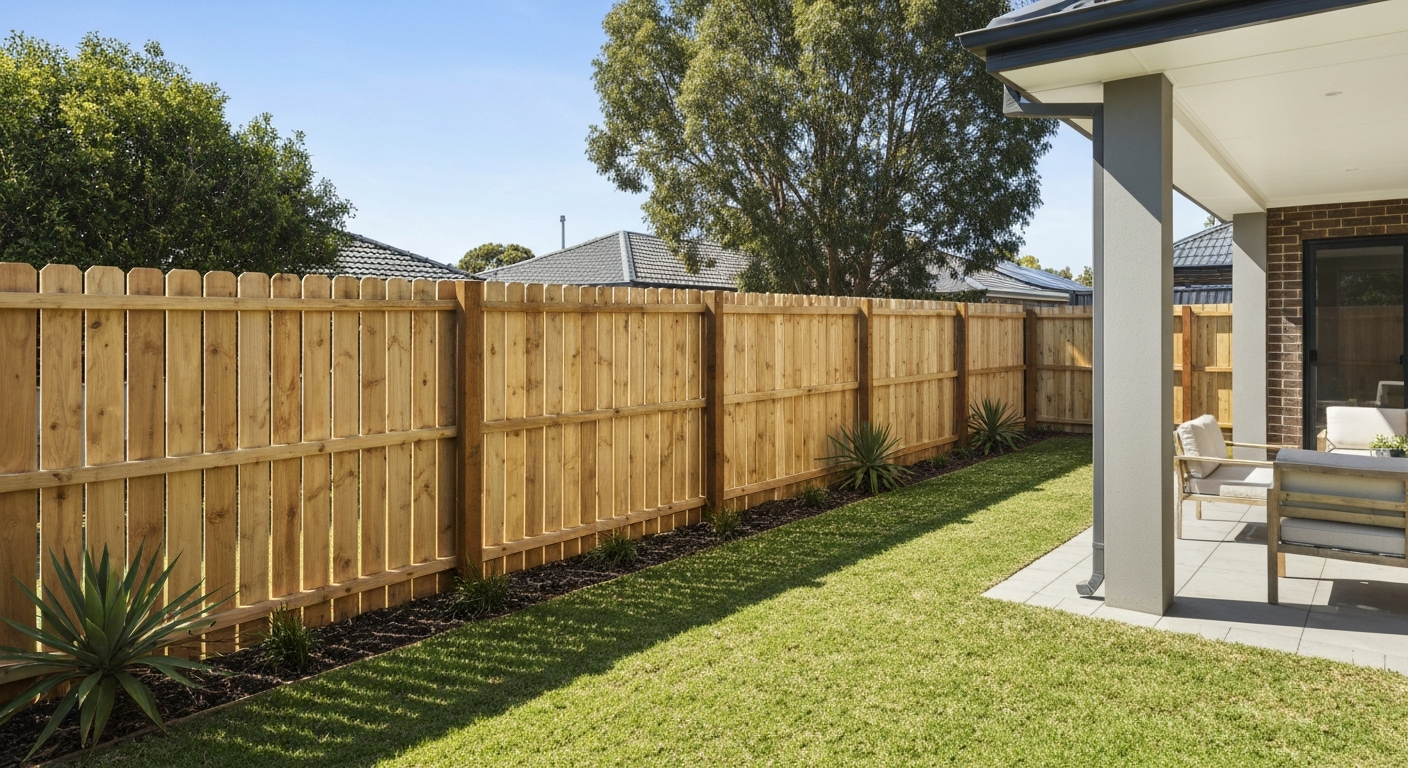
Conclusion
Navigating through regional fencing regulations does not need to feel overwhelming! With professional assistance from qualified contractors like those discovered in Melbourne, achieving compliance ends up being an adventure rather than a challenge course! So why wait? Start planning today so you can take pleasure in that gorgeous brand-new fence while remaining on the right side of the law!